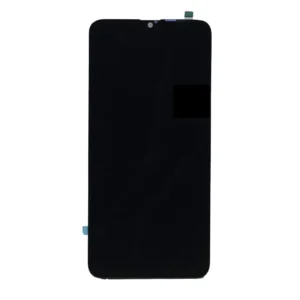
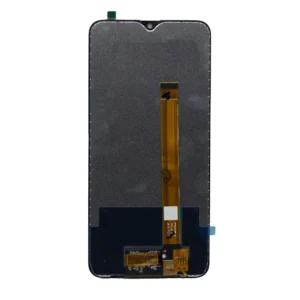
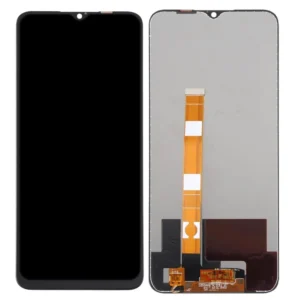
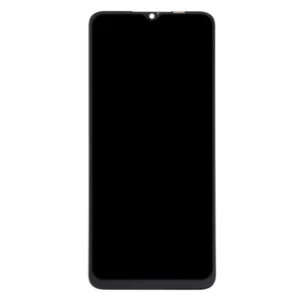
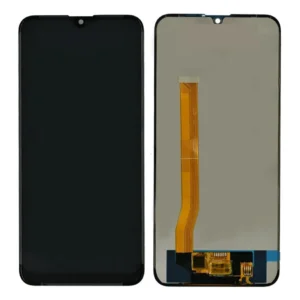
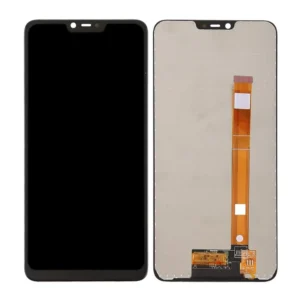
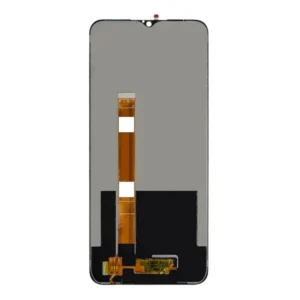
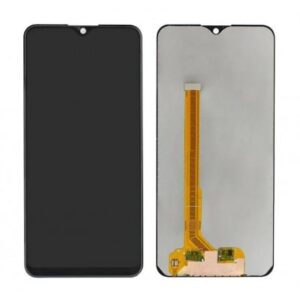
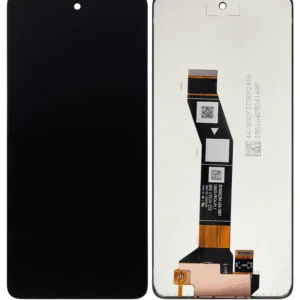
The OPPO A11k features a 6.2″ HD+ IPS LCD display (720×1520, ~271 ppi) with a waterdrop notch, Gorilla Glass 3 protection, and an 81–88% screen-to-body ratio. Bright and responsive for its era, it notably outperforms the A3 in daylight readability, though brightness management via auto settings may sometimes be inconsistent.
The OPPO A12 features a 6.2″ HD+ IPS LCD display (720×1520, ~271 ppi) with a waterdrop notch, Gorilla Glass 3 protection, and an 81–88% screen-to-body ratio. Bright and responsive for its era, it notably outperforms the A3 in daylight readability, though brightness management via auto settings may sometimes be inconsistent.
The OPPO A16 features a 6.52-inch IPS LCD display with HD+ resolution (720 × 1600 pixels), 60Hz refresh rate, and Eye-Care mode. It offers decent brightness (~480 nits), natural color reproduction, and a comfortable viewing experience for daily use.
The Oppo A1k comes with a 6.1-inch HD+ IPS LCD display (1560 × 720 pixels) offering a pixel density of around 282 ppi. It features a 19.5:9 aspect ratio with a waterdrop notch, delivering a decent viewing experience for everyday use. Colors are natural, and brightness is adequate indoors, though slightly limited in direct sunlight. While it lacks Full HD or AMOLED tech, it performs well for its budget segment.
The OPPO A3 comes with a 6.67-inch HD+ IPS LCD display offering a 90 Hz refresh rate, up to 1000 nits peak brightness, and Panda glass protection, ensuring smooth visuals, clear readability in sunlight, and durable everyday use.
The OPPO A3 Pro features a 6.67″ HD+ IPS LCD (1604×720, ~264 ppi) with blazing 120 Hz refresh and 120 Hz touch sampling, a dazzling 1,000 nits peak brightness, and dual display modes (Vivid/Natural). The screen is toughened with Panda Glass, offering vibrant visuals even under bright conditions.
The OPPO A31 features a 6.59″ FHD+ IPS LCD (~401 ppi) with a 90 Hz refresh rate and up to 600 nits brightness in HBM, alongside robust DCI-P3 color coverage. The display delivers vivid, stable visuals under sunlight. The 5G version, however, uses a lower-resolution HD+ panel (720p), which is the main drawback in terms of sharpness.
In order to provide you a personalized shopping experience, our site uses cookies. By continuing to use this site, you are agreeing to our cookie policy.