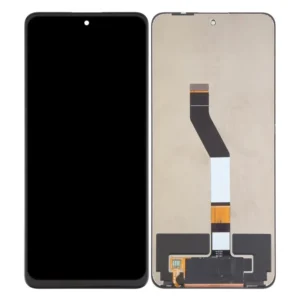
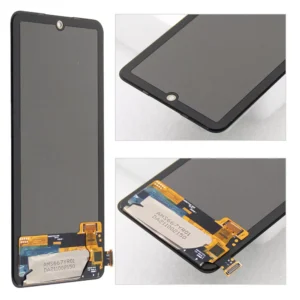
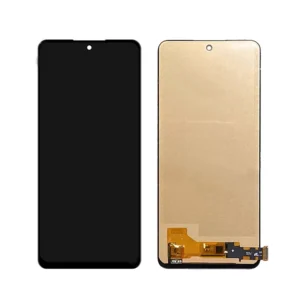
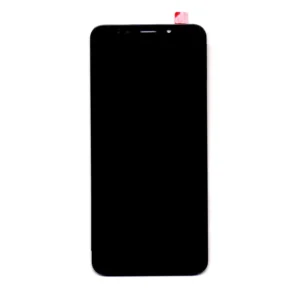
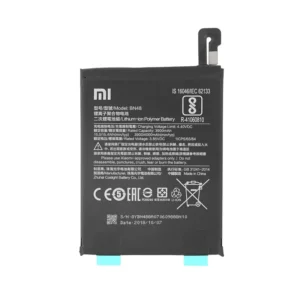
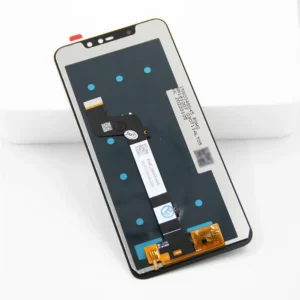
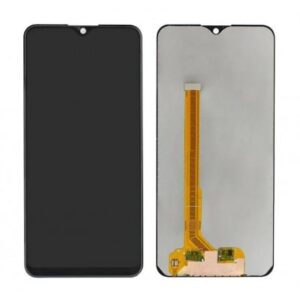
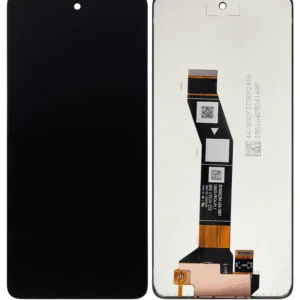
The Redmi Note 11T sports a 6.6″ FHD+ IPS LCD (~400 ppi) with a 90 Hz refresh and 240 Hz touch sampling rate, DCI-P3 color, and Gorilla Glass 3. It delivers crisp visuals and smooth interaction, but it doesn’t match the contrast or vibrancy of OLED displays. Viewing angles and outdoor brightness are decent but not class-leading.
The Redmi Note 12 packs a 6.67″ FHD+ Super AMOLED display (~395 ppi) with 120 Hz refresh, blazing ~900 nits peak brightness, full DCI-P3 color, HDR (including Dolby Vision), and Gorilla Glass 3 protection—a standout display in its class for vivid, smooth visuals and excellent outdoor readability.
The redmi note 13 features a vivid 6.67″ FHD+ AMOLED display (~395 ppi) with 120 Hz adaptive refresh rate, 240 Hz touch sampling, and 12-bit color. It covers 100% DCI-P3, supports HDR10+ and Dolby Vision, and reaches ~1000 nits peak brightness. Thanks to 1920 Hz PWM dimming and Gorilla Glass 5 protection, it delivers both eye comfort and durability—ranking among the best displays in its price segment.
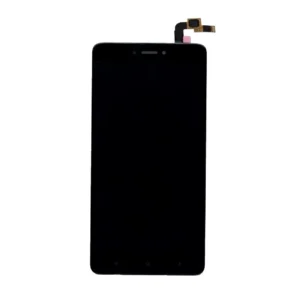
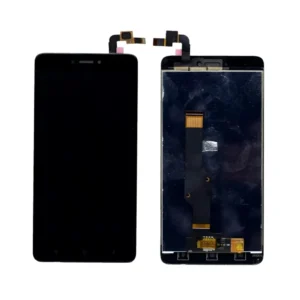
The Redmi Note 4 features a 5.5″ FHD IPS LCD display (1080×1920, ~401 ppi), with ~450 nits typical brightness (max auto contrast ~2.7× in sunlight), ~1500:1 contrast, and a wide sRGB‑like gamut (~72% NTSC). It’s protected by Gorilla Glass, runs at 60 Hz, and includes Reading and Sunlight modes for eye comfort and low-light use. Standard color settings can offer impressive accuracy with ΔE ~3.6.
The Redmi Note 4 features a 5.5″ FHD IPS LCD (1080×1920, ~401 ppi) with Gorilla Glass protection. It delivers ~440–484 nits brightness, impressive contrast (~1300–1500:1), and good color accuracy—especially in Standard mode (ΔE ~2.8). The display dims to ~1–2 nits for night use and includes eye-care reading mode. Indoor visuals are strong, but sunlight visibility remains average compared to modern panels.
In order to provide you a personalized shopping experience, our site uses cookies. By continuing to use this site, you are agreeing to our cookie policy.